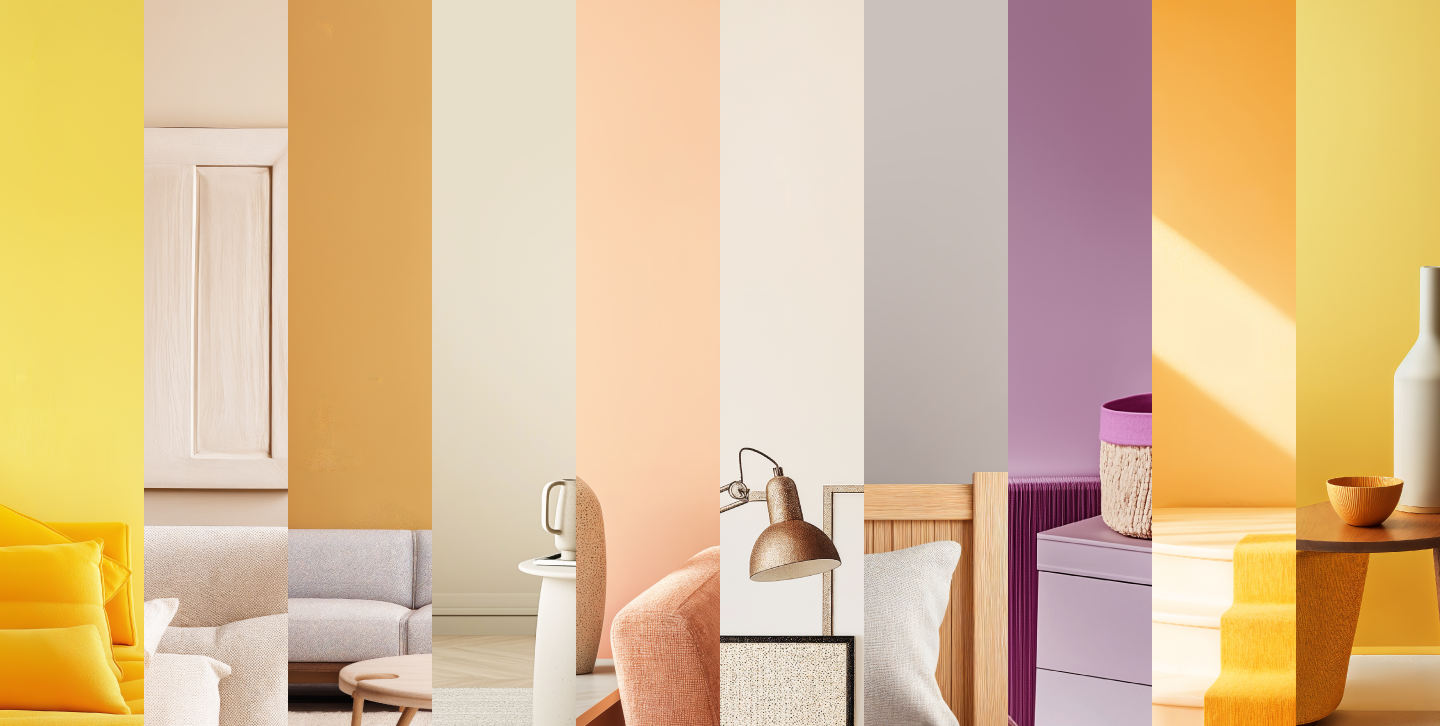
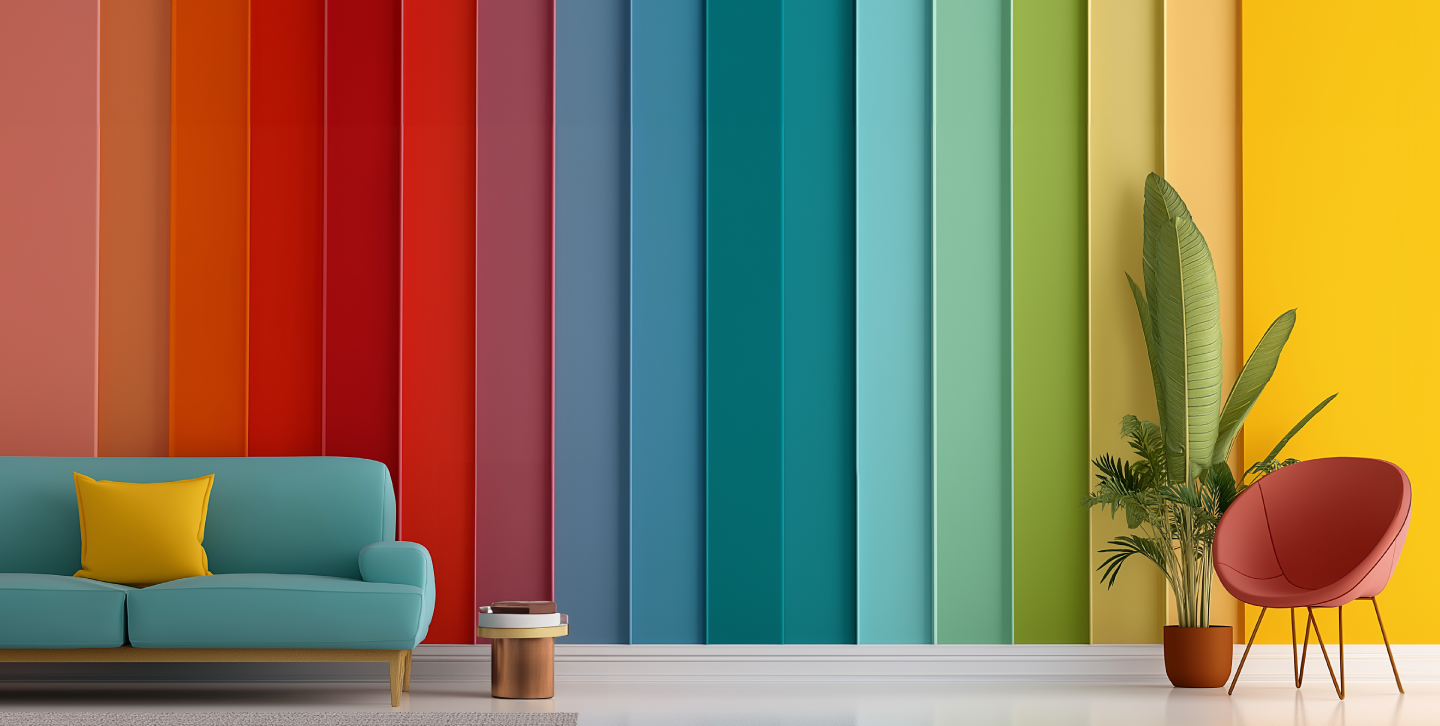
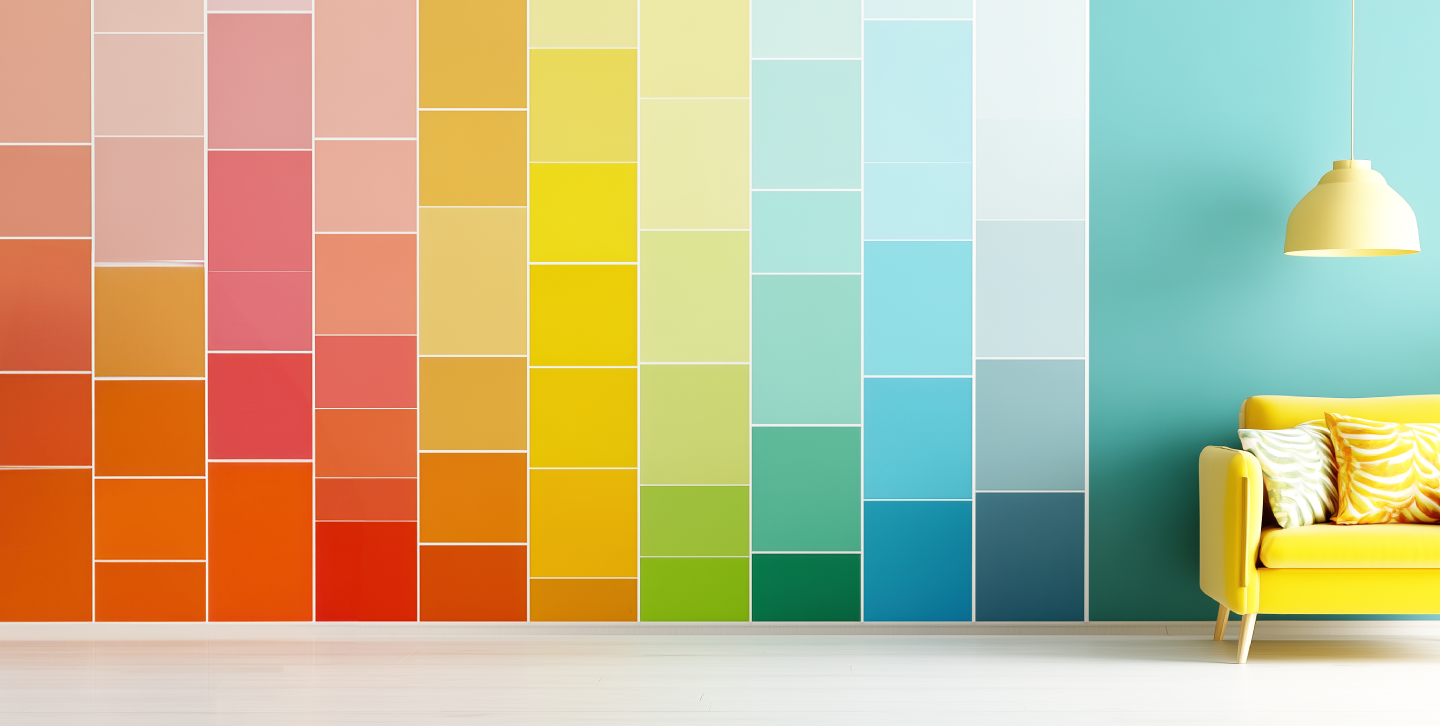
LOCATION OF THE INTERIOR IN RELATION TO DIRECTIONS
Choosing Wall Colors Based on the Direction of Natural Light
The direction a room faces affects how natural light enters, which in turn influences how paint colors appear. Here's how to choose the right colors based on orientation:
- East- and South-facing rooms receive strong morning and midday sunlight, which can make light colors appear overly bright or washed out. In these spaces, using more saturated or intense colors helps balance the strong natural light.
- South-facing rooms enjoy consistent sunlight throughout the day. These rooms can handle deeper, richer, and darker colors without feeling gloomy, as there's always enough light to keep them vibrant.
- West-facing rooms are lit by warm, orange-toned light in the late afternoon and evening. When choosing colors for these spaces, it's important to consider how this golden light will affect the hue—warm tones will appear even warmer, and some colors might look different than expected.
- North-facing rooms receive the least natural light, often resulting in a cooler and dimmer atmosphere. To brighten these spaces, opt for light, warm colors like soft yellows or creamy tones that can make the room feel more inviting.
Additionally, imperfections on walls are easier to hide using light, low-saturation (muted) colors, as bold or glossy finishes tend to highlight flaws.

SMOOTH SURFACE - LIGHTER COLOUR 1/4

ROUGH, TEXTURED SURFACE - DARKER AND LESS INTENSE COLOUR 2/4

MATT SURFACE - WARMER COLOUR 3/4

POLISHED SURFACE - COLDER COLOUR 4/4