
About Wood

Risks of degradation of outdoor wood
Throughout their life, trees gradually develop their own defence mechanisms against external attacks. Once you have cut the wood, such defences are highly exposed. It is important to know the different biological aggressors, their properties and characteristics, in order to be able to fight against them effectively and thus preserve wood in as natural a state as possible.
In order to adequately protect wood – particularly wood exposed to weather conditions - quality products, which provide preventive protection against harmful insects and fungi, must be used. For example preservers from GORI or BONDEX. They offer a whole range of wood protection products.
Types of Wood
Wood texture is a key characteristic to classify the wide variety of existing types of wood. As trees grow, they develop clear marks of their own identity. Depending on whether their growth is fast or slow, the section of their rings will change in width. Fast growing trees have wider rings, resulting in softer wood, while slow growing trees have more compact rings and yield harder wood. Below is a classification of woods, including their main characteristics.
Resinous Woods
Come from slow growing trees. They grow in cold or mild weather regions and are considered an ideal material due to their excellent mechanical resistance. This is the most common type of wood used in carpentry and construction projects. Most common examples are: pine, fir and larch.
Non-Coniferous Woods
Come from trees typically found in mild weather regions. These are leafy trees with many branches. There are three different groups: hardwood, softwood and fine wood. Hardwoods include oak and beech. Softwoods include birch and poplar. Fine woods include walnut, cherry, apple, olive and other fruit trees.
Exotic Woods
Are sought for their high resistance, which enables better finishes. This group includes mahogany, iroko /odum, ebony, teak, palisander, rosewood, etc.
Composition
Like all other organic materials, wood is made of cells held together by lignin. Its primary elements, which are the basis of its physical and mechanical properties, can be seen in the table below.
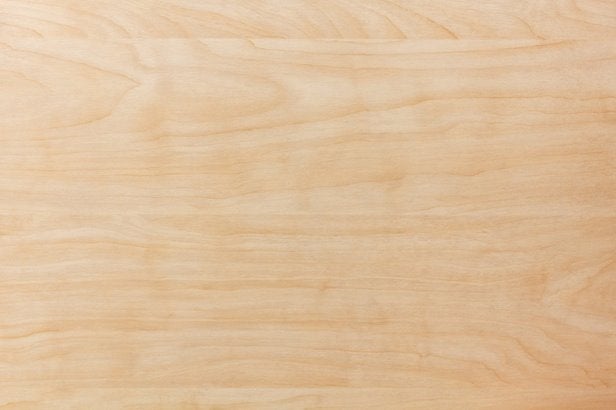
VERY SOFT - SPRUCE, PINE, FIR, POPLAR, WILLOW, LIME TREE 1/6
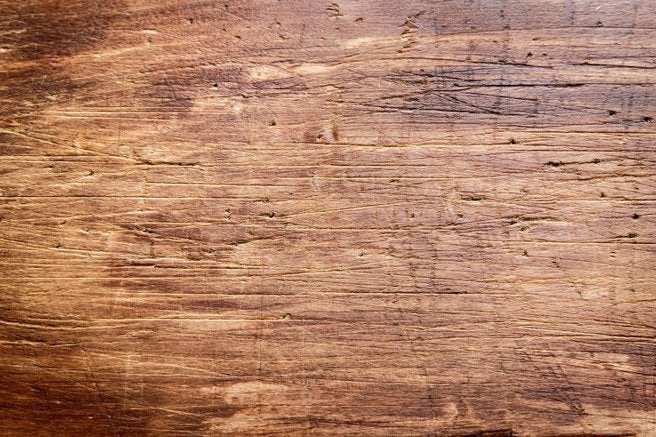
SOFT - LARCH, DOUGLAS, MUGO PINE, JUNIPER, BIRCH, ALDER, GOAT WILLOW, BIRD CHERRY, TEAK 2/6
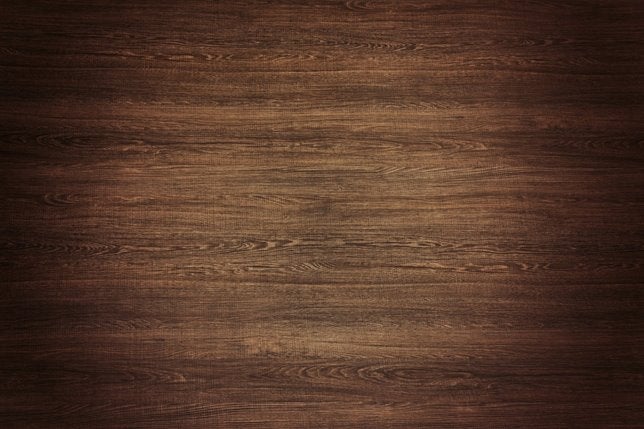
MEDIUM HARD - CHESTNUT, PLATANE TREE, ELM, HAZEL 3/6
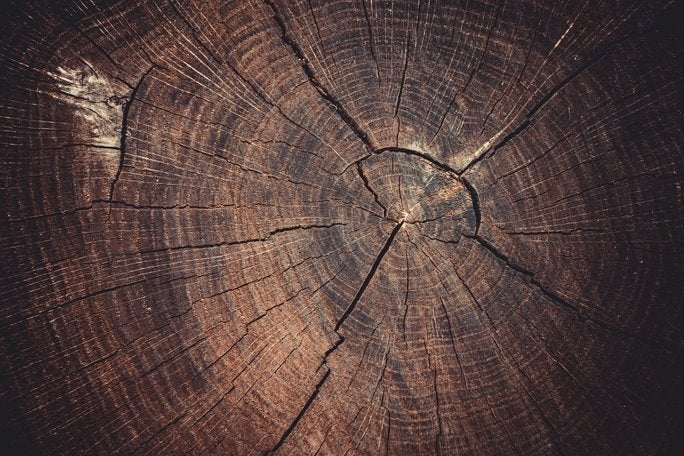
HARD - OAK, WALNUT, MAPLE, CHERRY, APPLE TREE, ASH, BEECH, PEAR TREE, PLUM TREE, ACACIA, IRONWOOD 4/6
VERY HARD - CORNELIAN CHERRY, CORNEL, OVAL LEAVED PRIVET, BOXWOOD 5/6
EXTREMELY HARD - CEYLON EBONY, AFRICAN GRENADIL, GUAJAK AND OTHER EXOTIC TREES 6/6