WHEN PAINTING INTERIOR
Painting Your Interior
At first glance, painting your own interior may seem like a simple way to save money compared to hiring a professional. While it can be a rewarding DIY project, it’s important to know your limits — especially when selecting materials. Choosing the right shade and type of paint can require a bit of experience, so it’s worth consulting an expert. After all, the right paint is the foundation of a successful result.
Although some affordable paints offer decent quality and are suitable for beginners, the cheapest option isn't always the best. Low-cost paints may not deliver the expected finish, and poor results often mean you'll need to repaint — costing you more in the long run. Choose the shade that suits your taste, but never compromise on quality. High-quality paint ensures long-lasting results and helps you avoid repainting year after year.
We recommend washable paints with Wet Abrasion Resistance. If your walls often get smudged by fingerprints or splashes, you can easily clean them using a sponge and mild detergent — without damaging the surface. If you have children or pets, washable paint is especially valuable. These paints not only last longer but also make future repainting easier, saving you both time and money.
Things to Keep in Mind When Choosing Paint
- Not every color is suitable for every type of surface or room.
- Paints differ in abrasion resistance and washability.
- Some finishes are glossy, while others are matte.
- Paint coverage varies by product.
- Calculating coverage and paint consumption helps save money.
- Consider the condition of the wall and the purpose of the room.
- Mixing the exact same shade later for touch-ups can be difficult — use tools like PPG Color Center to ensure consistency.
White or Colored Walls?
Pastel tones, color combinations, stripes, and special techniques are increasingly popular. However, many still prefer the simplicity and elegance of white walls.
While some argue white isn’t a “real” color, it creates a clean, friendly atmosphere. It works beautifully with textured surfaces and helps make interiors feel lighter and more spacious. White also complements natural materials like wood, making it a versatile choice.
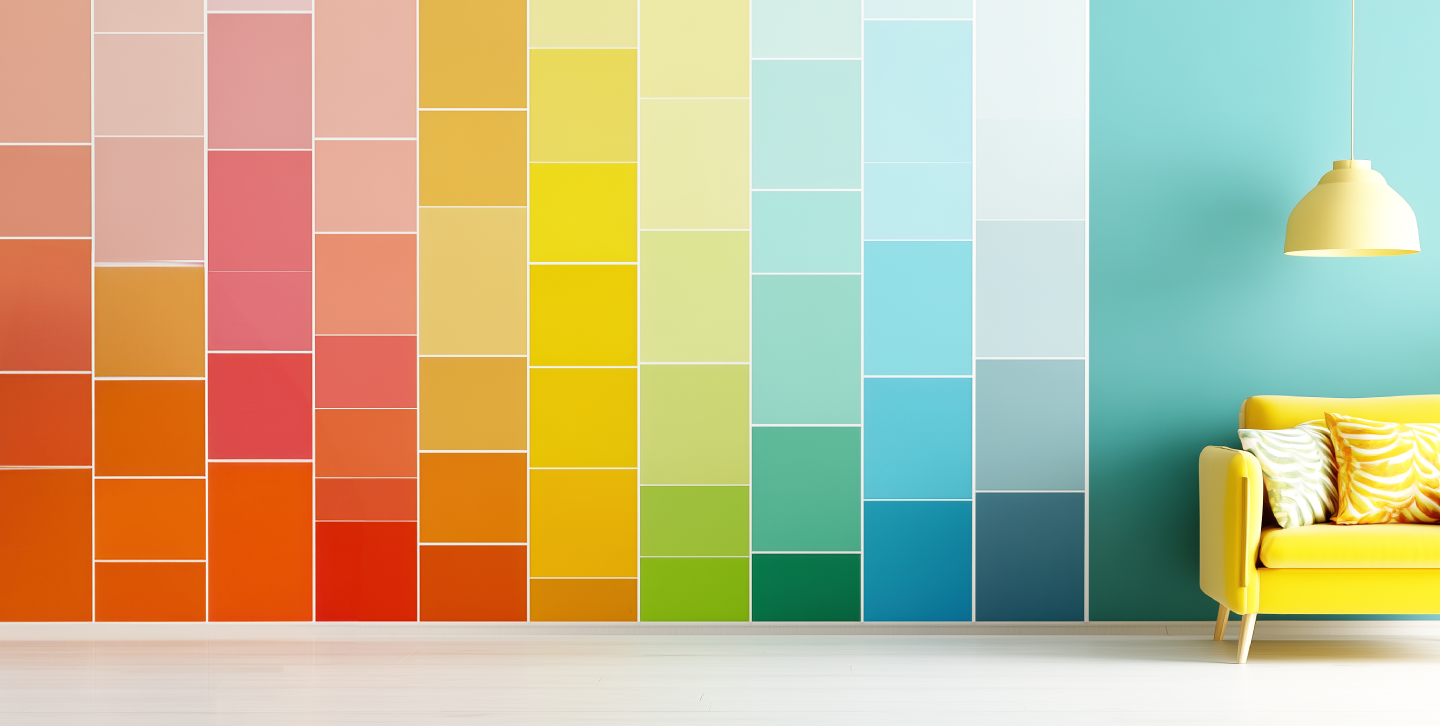
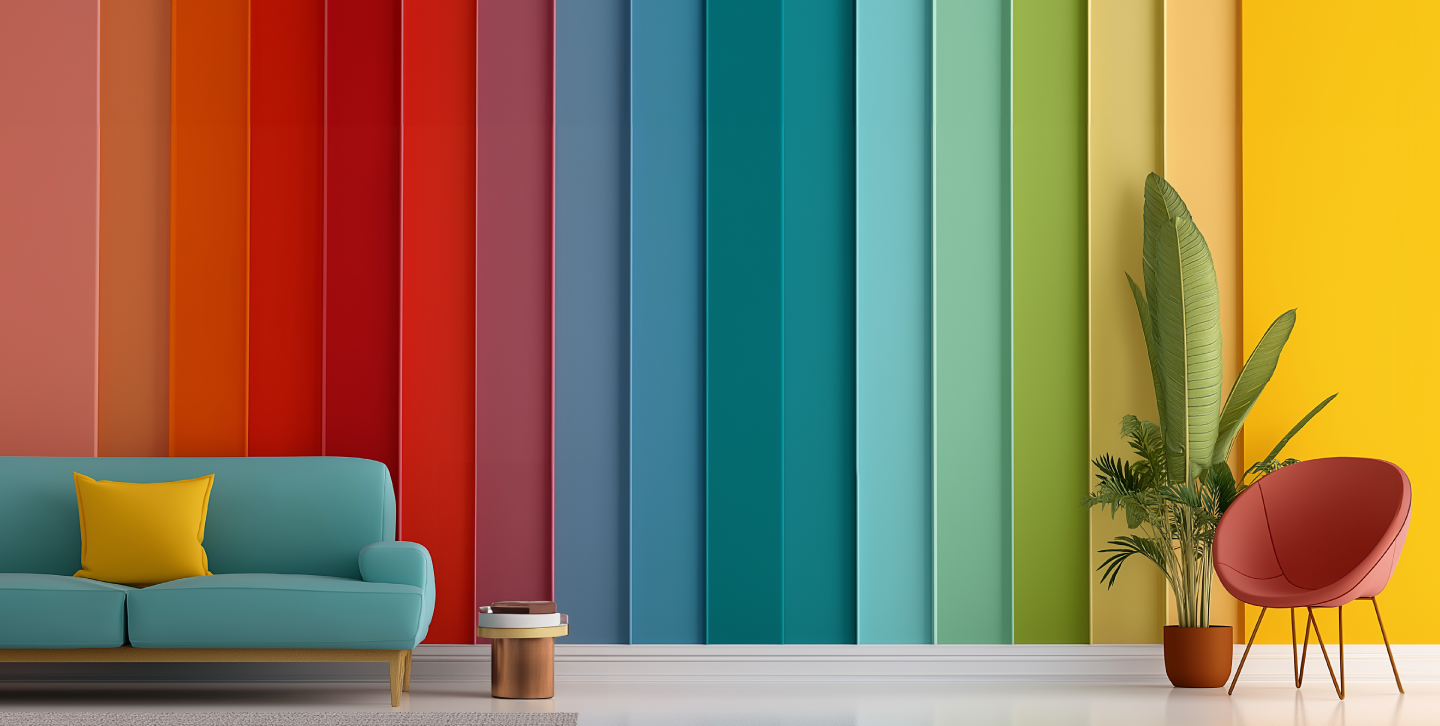
Because walls occupy such a large area, it’s important to choose paint colors thoughtfully — considering the tastes, lifestyle, and needs of everyone in your household. Here's how different colors affect space:
- Warm colors (like soft yellows or peach tones) create a cozy, cheerful feel. Light warm shades can make a room feel larger and more inviting.
- Dark colors add drama and define a room’s purpose but can make small spaces feel more enclosed.
- Cool colors (like blues and greens) feel fresh and calming — perfect for bedrooms and offices. Light cool shades also make rooms feel more open, but darker cool tones work best in large, well-lit spaces.